.webp)

Quick Answer
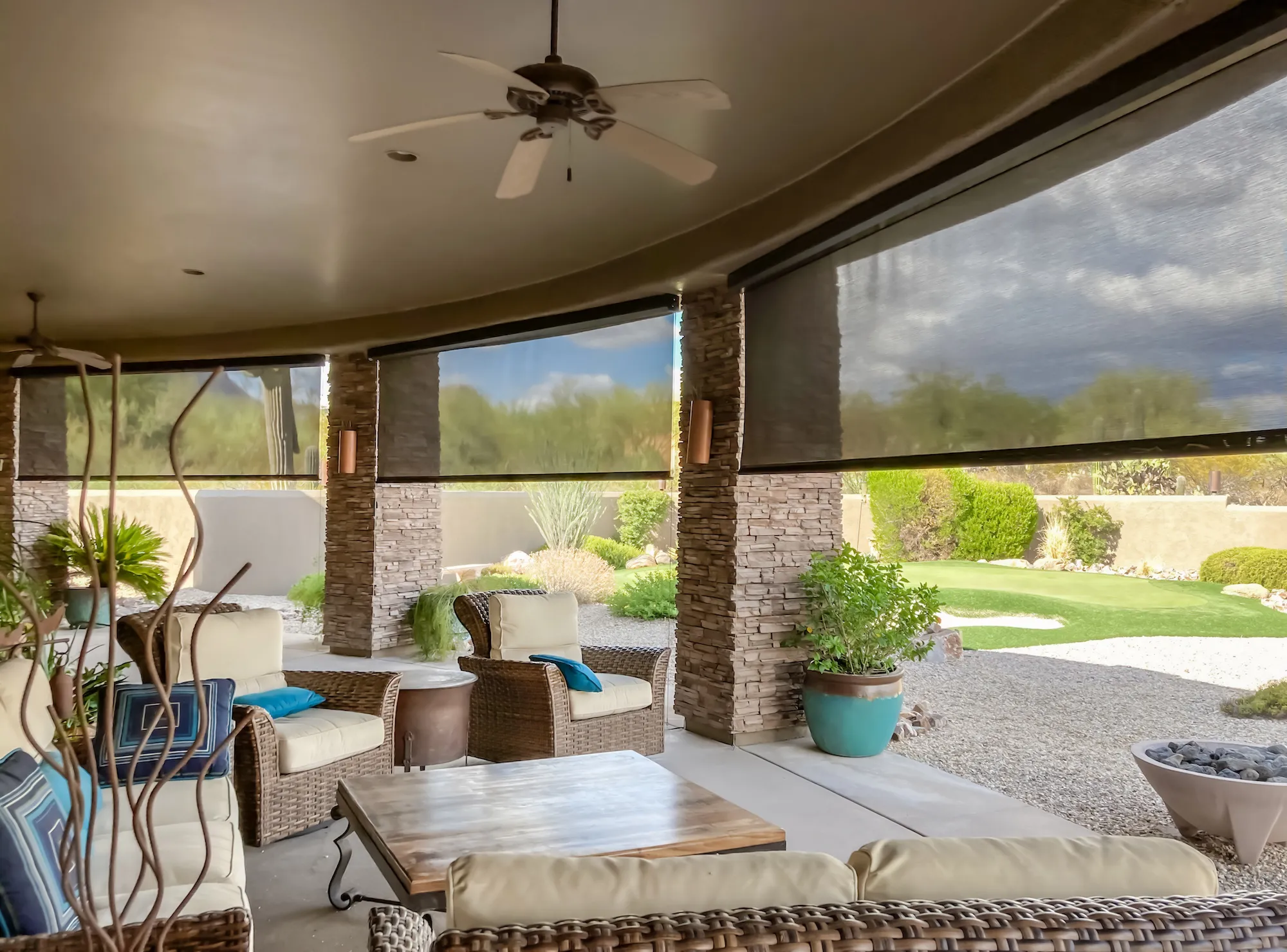
A solar screen openness factor measures the percentage of open space in the fabric weave. Higher percentages allow more natural light, airflow, and outdoor visibility. Lower percentages create a tighter weave for stronger heat protection, glare reduction, UV protection, and daytime privacy. Desert Shade offers 1%, 3%, 5%, and 10% openness options, allowing homeowners to choose the right balance for each space.
Key Takeaways
- A 10% openness factor provides the clearest view and allows the most light through the fabric.
- A 5% openness factor provides stronger solar protection while maintaining good outdoor visibility.
- A 3% openness factor offers substantial glare reduction with some visibility through the screen.
- A 1% openness factor provides maximum heat and UV protection among Desert Shade’s available fabrics.
- West-facing and south-facing openings often benefit from a tighter weave.
- Shaded openings can usually accommodate a higher openness percentage.
- Solar screens provide the most effective privacy during the day, not at night.
- Fabric color also affects glare, visibility, and the appearance of the screen.
Choosing a solar screen involves more than finding a fabric color that matches your home. The solar screen openness factor determines how much light passes through the material, how clearly you can see outside, and how much protection the screen provides against desert heat, glare, and harmful UV rays.
The right percentage depends on the direction of the opening, how you use the room or patio, and whether visibility, shade, or privacy is your top priority. Understanding the differences between 1%, 3%, 5%, and 10% openness can help you make an informed decision before buying solar shades.
What Is a Solar Screen Openness Factor?
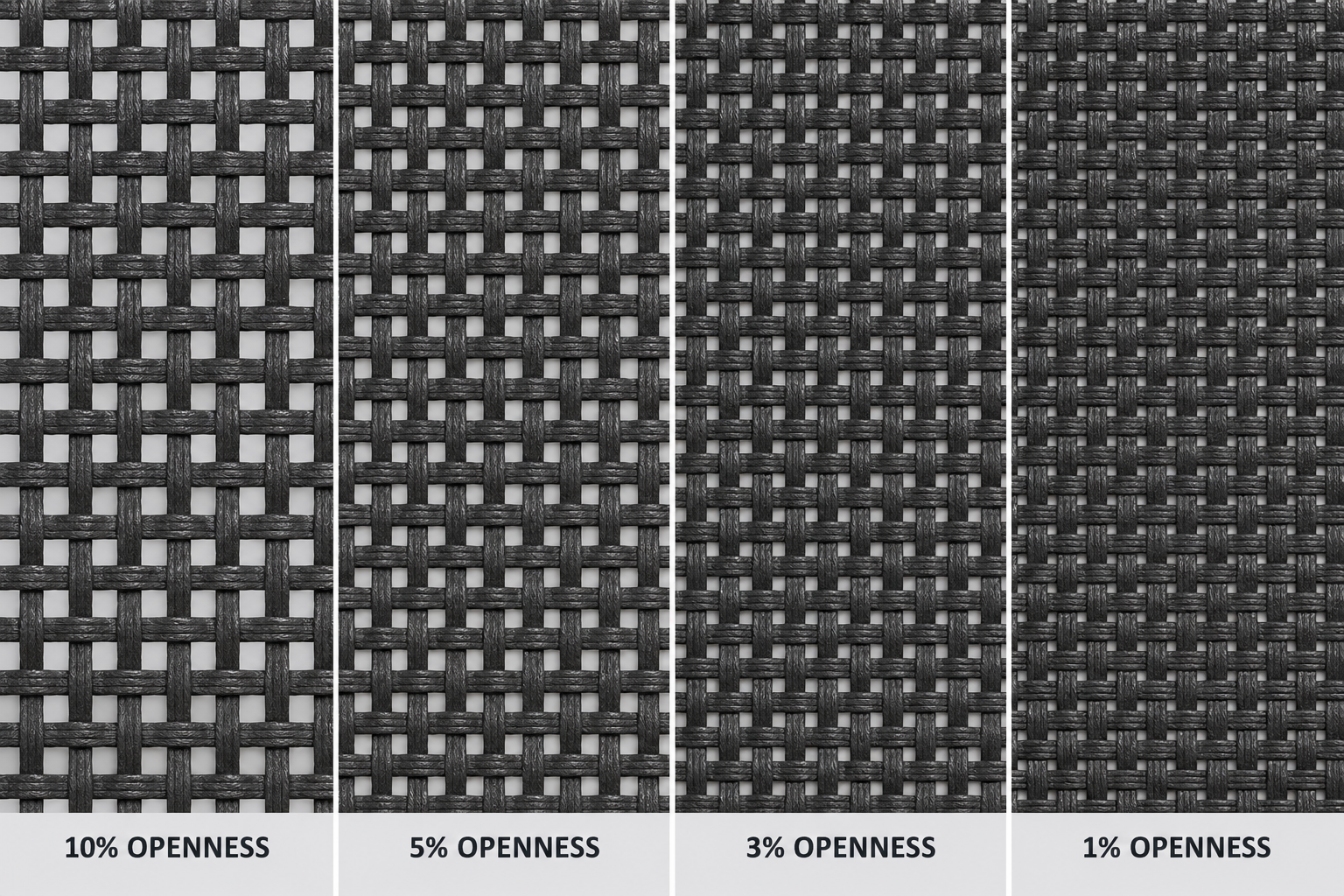
The openness factor refers to the percentage of open space within a woven solar screen fabric. A 10% openness fabric has a looser weave with more open space. A 1% fabric has a much tighter weave, allowing less light to pass through.
This percentage affects four important aspects of screen performance:
- Natural light
- Outdoor visibility
- Heat and glare control
- Daytime privacy
A higher openness factor creates a clearer view of the outdoors and allows more light and airflow into the living space. A lower openness factor blocks more sunlight and creates stronger protection from heat, glare, and UV exposure.
No single openness percentage is right for every home. Many homeowners choose different fabrics for different windows, doors, and outdoor areas based on their specific needs.
Comparing Solar Screen Openness Percentages
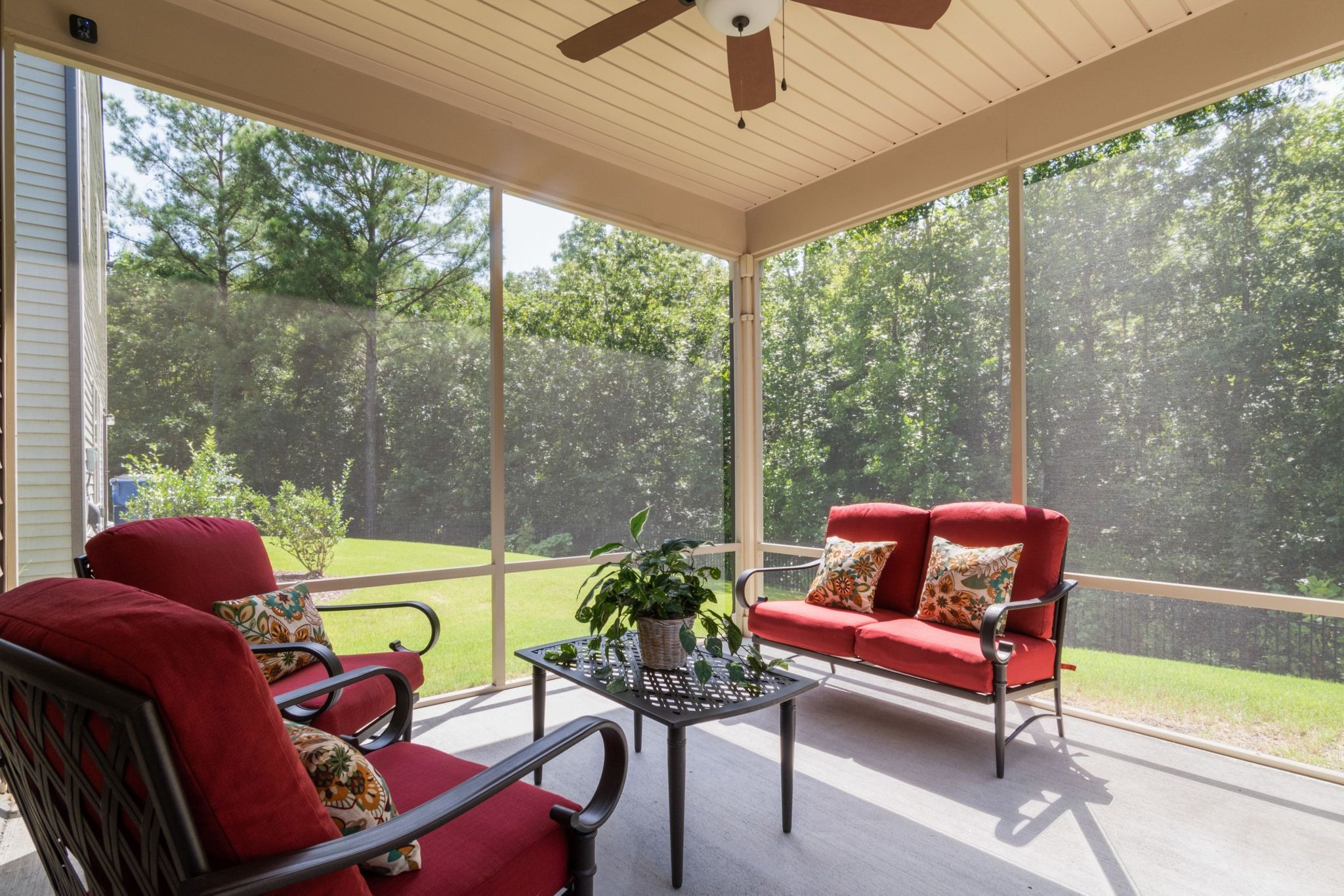
We offer solar screen fabrics with 1%, 3%, 5%, and 10% openness. Each percentage provides a different balance of visibility and solar protection.
10% Openness: Maximum Visibility and Natural Light
A 10% solar screen openness factor has the loosest weave among Desert Shade’s primary solar screen options. It allows more natural light into the room and provides the clearest view of the outside world.
Our Natte 4500 fabric provides 90% heat and UV protection. This option can work well for shaded patios, north-facing openings, dining areas, and living rooms where maintaining an open feeling is a priority.
Because more light penetrates the fabric, 10% openness provides less glare reduction and daytime privacy than tighter weaves. It may not be the best choice for west-facing windows or spaces exposed to intense direct sunlight.
Choose 10% openness when:
- A clear outdoor view is the top priority
- You want more light in the room
- The opening receives limited direct sunlight
- The space already has structural shade
- You prefer a lighter, more open appearance
5% Openness: Balanced Shade and Visibility
A 5% openness factor provides a tighter weave than 10% fabric while preserving good outward visibility. We offer both Natte 4505 and Satine 5705 fabrics at this level, with 95% heat and UV protection listed for each.
This percentage provides a practical balance for patios, living rooms, dining areas, and windows that receive regular sunlight. It allows the space to remain connected to the outdoors while providing stronger heat control, glare reduction, and daytime privacy.
A 5% openness solar screen may suit homeowners who want noticeable sun protection but do not want the space to feel closed off.
Choose 5% openness when:
- You want balanced visibility and heat protection
- The opening receives moderate or regular sunlight
- Daytime privacy matters
- You want to reduce glare without losing the outdoor view
- The screen will cover a frequently used living or patio space
3% Openness: Strong Glare Reduction
A 3% openness fabric has a tighter weave that allows less light through. Our Natte 4503 fabric provides 97% heat and UV protection.
This option can work well for west-facing windows, home offices, media rooms, and spaces where glare creates discomfort. It still provides some outdoor visibility, but the view will be less open than it would be through a 5% or 10% fabric.
The tighter weave also supports stronger daytime privacy. This makes 3% openness worth considering for street-facing windows or outdoor living areas near neighboring properties.
Choose 3% openness when:
- Glare reduction is a major priority
- The room contains televisions or computer screens
- Windows receive strong afternoon sunlight
- You want greater daytime privacy
- Strong solar protection matters more than maximum visibility
1% Openness: Maximum Solar Protection
A 1% openness solar screen has the tightest weave among Desert Shade’s available options. The Satine 5701 fabric provides 99% heat and UV protection, according to the company’s solar-screen specifications.
Because very little open space remains in the fabric, this option allows less light into the room and limits outward visibility more than higher percentages. In return, it provides the strongest available protection from direct sunlight, heat, glare, and harmful UV rays.
A 1% openness factor can be useful for intense west-facing or south-facing exposure, media rooms, bedrooms, and spaces where heat control or daytime privacy is more important than maintaining a clear view.
Choose 1% openness when:
- Maximum heat and UV protection is the priority
- The opening receives prolonged direct sunlight
- The room needs substantial light control
- Strong glare reduction is important
- You prefer greater daytime privacy
Solar Screen Openness Comparison
How Window Direction Affects Your Choice
The direction an opening faces determines how much direct sunlight it receives and when that sunlight is most intense.
West-facing windows and patios often experience strong afternoon sun. A lower openness percentage, such as 1% or 3%, can provide stronger heat and glare control in these areas.
South-facing openings may receive substantial sunlight throughout the day. Depending on the amount of structural shade, these spaces may benefit from 1%, 3%, or 5% fabric.
East-facing windows receive morning sunlight, which may be less intense than late-afternoon exposure. A 5% or 10% openness factor may provide enough protection while allowing more natural light into the room.
North-facing and heavily shaded openings typically receive less direct sunlight. A higher openness factor may preserve the view and help the space feel brighter without sacrificing necessary sun protection.
These are general guidelines. Nearby buildings, roof overhangs, trees, window size, and seasonal sun angles can all influence the best choice.
Match the Fabric to the Space
The same openness percentage may not be ideal for every part of your home. Think about how each room or outdoor area is used before selecting a solar screen fabric.
Living Rooms and Dining Areas
Living rooms and dining areas often benefit from a balanced fabric that reduces glare and heat while maintaining natural light. A 5% or 10% openness factor may keep the space visually connected to the outdoors.
If the room has large west-facing windows, a 3% fabric may provide better afternoon heat and glare control.
Home Offices and Media Rooms
Computer monitors and televisions can become difficult to see when direct sunlight causes reflections. A 1% or 3% openness factor offers stronger light control for home offices and media rooms.
The tighter fabric weave can also make it easier to manage screen glare without relying on interior lights throughout the day.
Patios and Pool Areas
For a covered patio or poolside seating area, consider how much shade the existing structure provides. A 5% or 10% openness factor can preserve airflow and the view of the outdoors when the opening is already partially shaded.
Patios exposed to intense afternoon sun may need a 1% or 3% fabric for greater heat protection and comfort.
Street-Facing Windows
Daytime privacy may be a top priority for windows facing a road, sidewalk, or neighboring property. A tighter weave can make it more difficult to see inside while still allowing homeowners to look out.
Solar screens do not provide the same privacy at night. When interior lights are brighter than the outside environment, people may be able to see through the screen from outdoors. Interior window treatments can provide additional nighttime privacy.
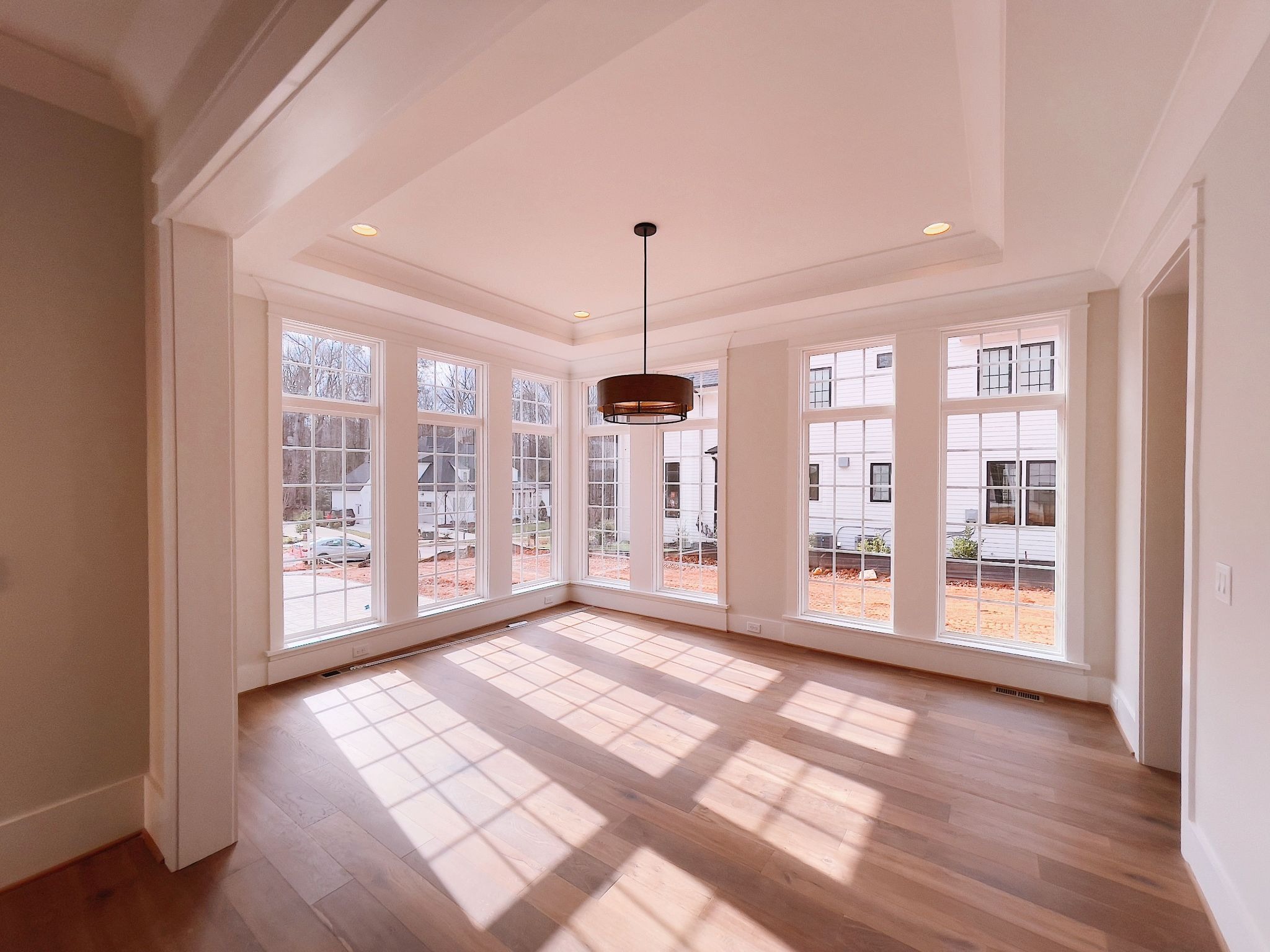
Alt text: Direct sunlight entering a room through large residential windows
How Fabric Color Affects Performance and Visibility
Openness percentage is not the only factor that influences solar screen performance. Fabric color also affects visibility, glare, and the appearance of the installed shade.
Darker colors can provide clearer outward visibility because the eye tends to look past the dark fabric toward the brighter outdoor space. We also note that darker tones help absorb heat and reduce glare while maintaining visibility.
Lighter fabrics may coordinate well with certain home exteriors and create a brighter visual appearance. However, they can appear more noticeable when viewed from inside and may not provide the same clear view-through effect as darker fabrics.
The perfect balance depends on both the openness factor and fabric color. Comparing physical samples at the installation location is the best way to understand how a fabric will look in changing sunlight.
Can Solar Screens Support Energy Efficiency?
Exterior solar screens manage heat before it reaches the window glass. This positioning can help reduce solar heat gain and support a cooler indoor environment during bright Las Vegas days.
A lower openness factor provides stronger heat control because its tighter weave blocks a greater percentage of sunlight. This may reduce the amount of work required from the home’s cooling system, although actual energy performance depends on the windows, insulation, orientation, thermostat settings, and how consistently the screens are used.
Homeowners should select an openness percentage based on comfort, visibility, and light control rather than expecting a guaranteed reduction in cooling costs.
Questions to Ask Before Choosing an Openness Factor
Before selecting a solar screen fabric, consider the following questions:
- Which direction does the opening face?
- How many hours of direct sunlight does it receive?
- Is the screen covering a window, door, patio, or pool area?
- How important is the outdoor view?
- How much natural light should enter the space?
- Is glare interfering with work, television viewing, or daily comfort?
- Is daytime privacy a priority?
- Does the opening already have shade from a roof or overhang?
- Which fabric color best complements the property?
Your answers can help narrow the choice between a more open fabric and a tighter weave.
Find the Right Solar Screen Fabric for Your Home
Choosing a solar screen openness factor means balancing heat protection, glare reduction, visibility, natural light, and privacy. A 10% fabric keeps the view open, while 5%, 3%, and 1% options provide progressively stronger solar control.
Desert Shade can evaluate your windows, doors, patio, or outdoor living space and show you fabric samples in the actual setting. This makes it easier to compare openness levels, colors, and visibility before selecting your solar screen shades. Schedule a Free Consultation
Frequently Asked Questions
Is a lower solar screen openness factor better?
Not automatically. A lower openness factor provides stronger heat, UV, glare, and daytime privacy protection, but it also allows less light through and limits outdoor visibility. The best percentage depends on the opening and how you use the space.
What does 5% openness mean?
A 5% openness factor means that approximately 5% of the woven fabric consists of open space. Our 5% Natte and Satine fabrics provide 95% heat and UV protection while maintaining good outdoor visibility.
What is the best openness factor for west-facing windows?
West-facing windows often benefit from a tighter weave because they receive intense afternoon sunlight. A 1% or 3% openness factor may provide the necessary glare and heat protection. A 5% fabric may work when preserving more light and visibility is a higher priority.
Which openness factor provides the clearest view?
A 10% openness factor provides the clearest outdoor view among Desert Shade’s primary solar screen fabrics. Its looser weave allows more light and visibility than the 1%, 3%, and 5% options.
Do darker solar screen fabrics make a room darker?
Fabric color can affect how a screen looks, but the openness percentage plays a major role in determining how much light passes through. Darker fabrics often provide better outward visibility, while lower openness percentages block more light.
Do solar screens provide privacy at night?
Solar screens are most effective for privacy during the day when outdoor light is brighter than the interior. At night, interior lighting can make the room visible from outside. Interior shades or other window treatments may be needed for nighttime privacy.
Can different rooms use different openness percentages?
Yes. A home can use a tighter weave on west-facing windows and a more open fabric on shaded patios or north-facing openings. Matching each fabric to the room’s sunlight, visibility, and privacy needs often provides better results than using one percentage everywhere.